• Metals
    • Gold
    • Silver
    • Palladium
    • Copper
    • Platinum
  • Energies
    • WTI
    • Brent
    • Natural Gas
  • Stocks
    • US
    • UK
    • DE
  • Indexes
    • SPX500
    • NASDAQ
    • RTS
  • Forex
    • EUR/USD
    • GBP/USD
    • USD/JPY
    • USD/CAD
    • USD/CHF
    • AUD/USD
  • Cryptos
    • BTC
    • BCH
    • ETH
    • LTC
    • XRP
    • DSH
    • XMR
  • Economic Calendar
  • Home
  • Education
  • Bulletin
  • News
  •  Forum
  • Contact
Menu
  • Home
  • Education
  • Bulletin
  • News
  •  Forum
  • Contact
Facebook Instagram Youtube Telegram
  Register    Login  
It's your trading deskIt's your trading desk
  • Metals
    • Gold
    • Silver
    • Palladium
    • Copper
    • Platinum
  • Energies
    • WTI
    • Brent
    • Natural Gas
  • Stocks
    • US
    • UK
    • DE
  • Indexes
    • SPX500
    • NASDAQ
    • RTS
  • Forex
    • EUR/USD
    • GBP/USD
    • USD/JPY
    • USD/CAD
    • USD/CHF
    • AUD/USD
  • Cryptos
    • BTC
    • BCH
    • ETH
    • LTC
    • XRP
    • DSH
    • XMR
  • Economic Calendar

News

  • Home
  • News
  • Upstart Wall Street research firm says it sent an analyst to Strait of Hormuz. Here’s what they learned
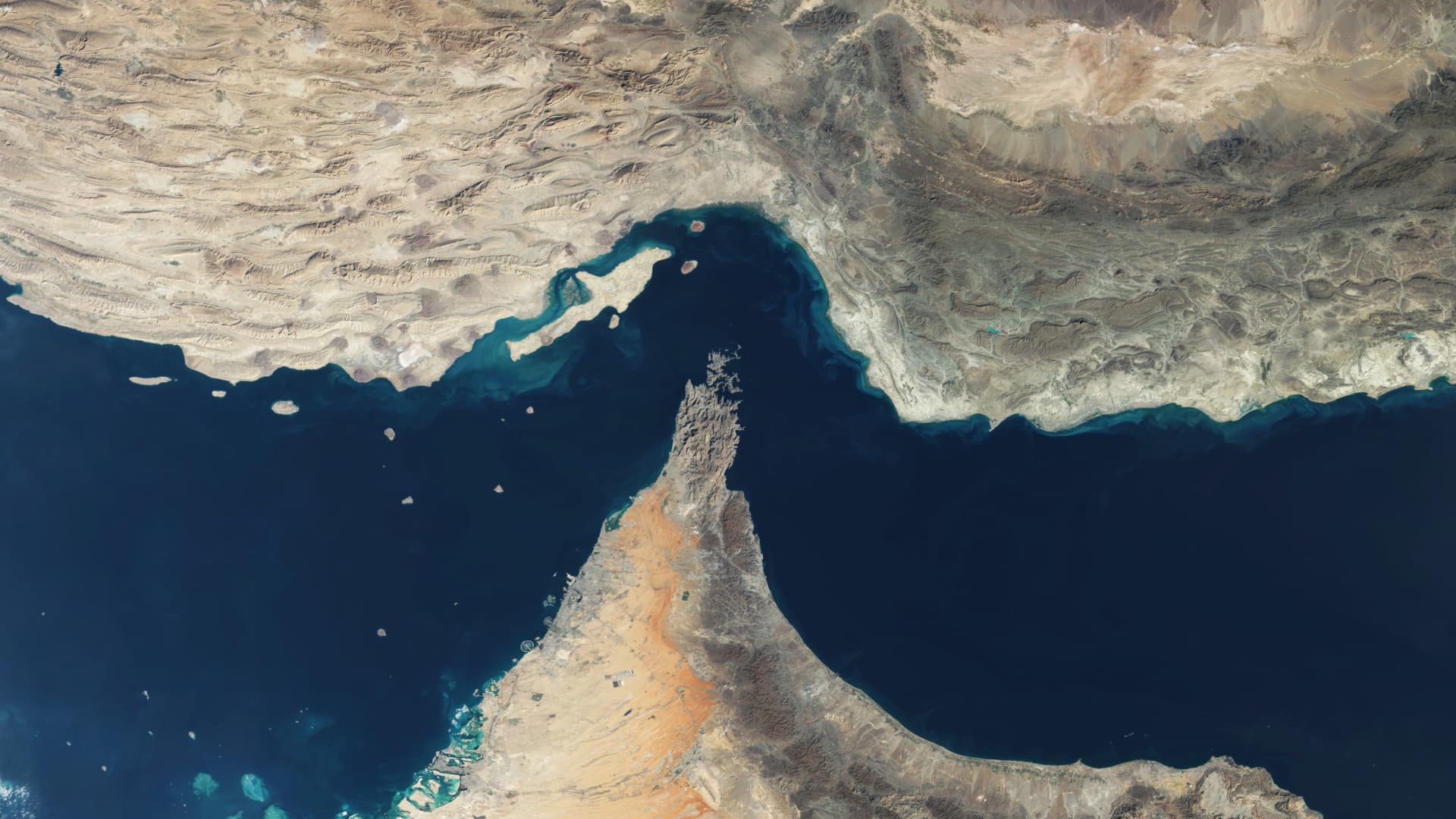
Upstart Wall Street research firm says it sent an analyst to Strait of Hormuz. Here’s what they learned

  • Categories News
  • Date April 6, 2026
  • Comments 0 comment
Upstart Wall Street research firm says it sent an analyst to Strait of Hormuz. Here’s what they learned

As the world’s oil traders parsed satellite images and official statements for clues on the fate of the Strait of Hormuz, one research firm seems to have taken a different approach: It claims that it sent an analyst directly into the conflict zone.

Citrini Research, which issued a market-shaking bearish call on artificial intelligence earlier this year, said it dispatched an analyst to Oman’s Musandam Peninsula, where the person traveled by boat to observe shipping activity firsthand amid escalating tensions between Iran and the U.S. What the analyst claims to have found challenges the dominant narrative gripping global markets that the critical oil artery is effectively shut.

Instead, the analyst, who remains anonymous due to the sensitivity of the activity, found that vessels are still moving through the strait, with traffic picking up in recent days to roughly 15 ships per day, according to the firm’s report posted on Substack. While far below normal levels, the flow suggests the disruption is partial and evolving rather than absolute.

“Tankers passing through four or five a day, completely dark on AIS. The volume, they said, is higher than what the data suggests, and it’s been accelerating in the past couple days through the Qeshm channel,” Citrini’s post said.

AIS is a ship-tracking system that broadcasts a vessel’s location, speed, identity and route. Citrini asserts that the actual shipping volume is higher than reported data as many ships turn off their transponders and are not visible on official tracking systems.

Citrini didn’t immediately respond to CNBC’s request for comments.

Based on the Substack post, the analyst’s interviews with fishermen, smugglers and regional officials point to a system in which Iran is selectively allowing ships to pass. Tankers are required to secure approval before transiting waters near Iranian territory, creating what the firm described as a “functional checkpoint” rather than a blockade, Citrini said in its post.

“This should drive home that what we’ve described as our view of the conflict is nuanced – it doesn’t fit neatly into ‘strait open crude down’ or ‘strait closed crude parabolic,'” the firm said.

To be sure, the findings are based on a single field trip and anecdotal accounts that are difficult to independently verify, particularly given limited transparency in the region.

The firm expects a more prolonged disruption that embeds a lasting risk premium into oil markets. That view underpins a preference for longer-dated crude exposure, with the firm favoring December 2026 WTI contracts over the front month.

“We think the disruption is longer and the new normal involves a permanent risk premium, but that we’ll likely see as high as 50% of pre-conflict traffic within the next 4-6 weeks,” Citrini said.

Choose CNBC as your preferred source on Google and never miss a moment from the most trusted name in business news.


Source link

Previous post

JPMorgan CEO Jamie Dimon in annual letter cites risks in geopolitics, AI and private markets
April 6, 2026

Next post

Ray Dalio: Trump-Xi meeting to focus on trade, capital flows
April 8, 2026

You may also like

108130604-1744358956479-gettyimages-2205298490-POWELL_FOMC_NYSE.jpeg
If a violent downturn strikes the market, new ETF strategies may be vulnerable. Here’s why
17 April, 2026
108291733-1776260139249-gettyimages-2232243023-298432final.jpeg
Retail traders pile into Allbirds after odd AI pivot. History shows it won’t end well
16 April, 2026
105487657-1538651779020gettyimages-1042680562.jpg
Kering looks to double profits as it unveils ambitious turnaround plan to revive Gucci
16 April, 2026

Leave a Reply

This comment form is under antispam protection
  Subscribe  
Notify of

Forums

  • Trading Psychology
  • Сryptos
  • Commodities
  • Stocks
  • Forex
  • Market Pulse
  • Trading Ideas
  • COVID-19, How we survived
  • Ecotrading

info@tdesk.pro
  • Home
  • Education
  • Bulletin
  • News
  • Contact
  • Privacy Policy
  • Risk Warning
  • Cookies
Facebook-f Instagram Youtube Telegram

Copyright © 2023 Tdesk. All Rights Reserved.

Login with your site account

No apps configured. Please contact your administrator.

Lost your password?

Not a member yet? Register now

Register a new account

Are you a member? Login now

wpDiscuz